Blog
A Contractor’s Guide to Substrate Conditions: What’s Too Damaged to Pour Over
Before any successful flooring installation, one truth stands firm: your pour is only as good as your substrate. No matter how advanced your self-leveler or underlayment may be, ignoring substrate conditions can lead to costly failures, callbacks, or complete tear-outs.
This guide breaks down how to assess your substrate, identify when it’s too damaged to pour over, and how to make the right prep and product choices to get the job done right.
1. Assessing the Substrate: Start with the Basics
Before pouring, evaluate these key areas:
-
Surface integrity: The substrate must be sound and solid. If it crumbles under light pressure, it’s too weak to support a self-leveler.
-
Moisture levels: Excess moisture can break the bond between substrate and underlayment. Always test before proceeding.
-
Cleanliness: Remove all dust, oil, paint, adhesives, and contaminants that could block adhesion.
-
Cracks and movement: Structural cracks should be repaired before applying any leveling compound.
If you see widespread delamination, soft spots, or signs of moisture intrusion, it’s time to repair or replace—not pour.
2. When the Floor Is Ready
A ready substrate should be:
✅ Sound and stable
✅ Clean and free of loose materials
✅ Within acceptable moisture limits
✅ Properly primed for the material being applied
At this stage, it’s time to prime—and Dependable’s CONSOLICRETE™ Two-Part Epoxy is the go-to choice. This low-viscosity, epoxy-based primer enhances bond strength for self-leveling underlayments while sealing the surface to prevent pinholes and rapid absorption. It’s compatible with most Dependable self-levelers, including Skimflow® LCB Rapid and PrepPro® FT, ensuring a uniform, dependable surface.
3. When to Prime (and When You Can’t Skip It)
Priming isn’t optional—it’s the foundation of adhesion. Skipping it can lead to:
-
Delamination
-
Uneven curing
-
Surface cracking
Whether you’re working over concrete, gypsum, tile, or other challenging substrates, PRIMER P360 provides the chemical bridge that ensures your underlayment performs as designed. Its unmatched versatility means you can confidently use it across multiple jobsite conditions without switching between primers.
4. When the Substrate Is Too Damaged to Pour Over
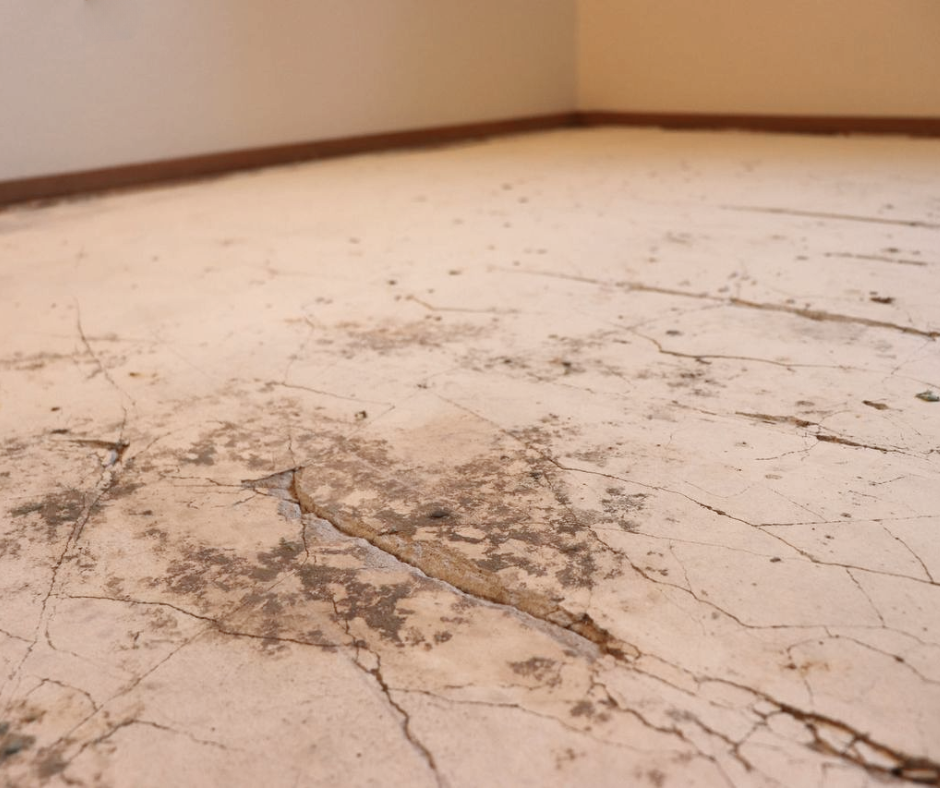
If the substrate shows deep cracks, soft areas, or compromised adhesion from old coatings or moisture, don’t risk it. In those cases, you may need to mechanically remove damaged areas and start fresh. However, when time or conditions won’t allow a full tear-out, that’s where Dependable’s No-Pull Technology can help save the job.
5. How No-Pull Technology Saves the Day
Dependable’s Skimflow® LCB Rapid features advanced No-Pull Technology, designed to minimize stress during curing and reduce bond breakage—especially on marginal substrates. This technology delivers a tight, durable bond with less curling or lifting, even when working over substrates that have seen better days.
Combined with the right primer, LCB Rapid provides a stable, smooth base for flooring systems while cutting downtime thanks to its fast-setting, walkable-in-hours performance. It’s a contractor’s secret weapon for turning problem floors into finished success stories.
Every great floor starts from the ground up. By understanding your substrate’s condition, properly priming, and choosing high-performance materials like PrepPro® FT and Skimflow® LCB Rapid, you can tackle even the most challenging jobs with confidence.
Don’t pour over problems—prepare, prime, and pour with FloorPrep by Dependable.
Explore Dependable’s complete lineup of primers, underlayments, and self-levelers at floorprep.com