Self Levelers
Rapid-Set vs. Standard Underlayments: What You Need to Know Before You Pour
Why cure time, strength, surface prep, and jobsite conditions matter—and where LCB Rapid shines. When it comes to choosing the right self-leveling underlayment (SLU), the decision often comes down to one critical factor: time. Installers and flooring contractors are constantly balancing tight schedules, substrate conditions, and performance requirements—and the choice between a rapid-set and a…
Read MoreA Contractor’s Guide to Substrate Conditions: What’s Too Damaged to Pour Over
Before any successful flooring installation, one truth stands firm: your pour is only as good as your substrate. No matter how advanced your self-leveler or underlayment may be, ignoring substrate conditions can lead to costly failures, callbacks, or complete tear-outs. This guide breaks down how to assess your substrate, identify when it’s too damaged to…
Read MoreWhy Your Subfloor Prep System Matters More Than the Underlayment Alone
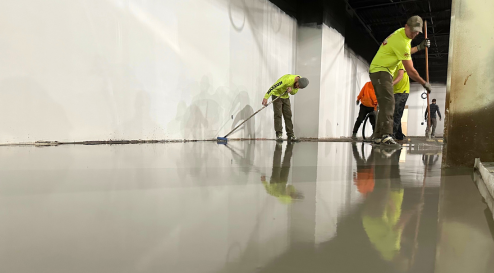
When it comes to successful flooring installations, it’s easy to think the underlayment is the star of the show. After all, the self-leveling underlayment (SLU) is what creates the smooth, even surface that installers and end users notice most. But the truth is, a subfloor prep system is only as strong as its foundation—and that…
Read MoreGypsum Underlayment Repair: When to Restore vs. Replace
Gypsum underlayments—especially older installations in multifamily renovations—often suffer from a soft, chalky texture, surface cracks, and inadequate compressive strength. These issues compromise adhesive performance, visual quality, and durability under stress. Rather than defaulting to demolition, a systematic evaluation can save time, labor, and cost. Step 1: Diagnose the Damage—Restore or Replace? Start with a careful assessment:…
Read MoreYour Essential Guide to Repairing Gypsum Underlayments
Renovating multi-family complexes often means stripping away old vinyl and carpet and pad products—and with them, exposing the underlying gypsum underlayment. Unfortunately, these substrates rarely meet the demands of today’s hard surface flooring installations. In this guide, we break down the common challenges of repairing gypsum underlayments, explain why proper remediation is critical, and outline…
Read MorePullman Yards | Project Profile
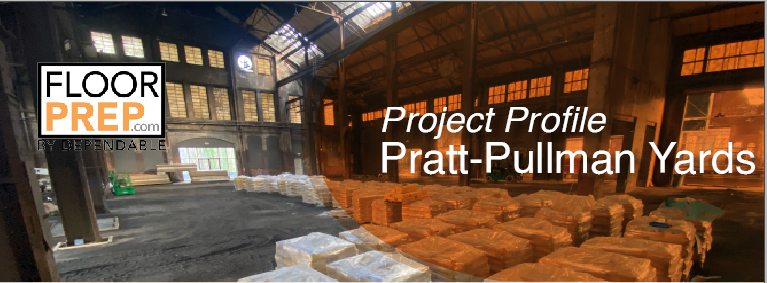
DETAILS: Pratt-Pullman Yards Industrial Site converted for Fan Controlled Football (FCF) site with practice field and VIP area. Vacant for years, used numerous times as a movie set Issue: 1 – 1.5” bellies throughout appx. 30,000 ft2 concrete substrate. Unbonded solution required. Solution: Quiet Qurl 025 MC sound mat inverted with 1” of Platform L2…
Read MoreFire-Rated, Multifamily Self-Leveling Underlayments
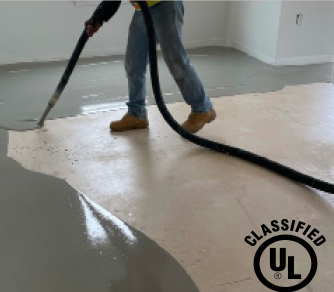
Installation of Radiant Heating Systems
Radiant Heating systems, both hydronic (liquid) and electric increase the comfort of a space, while delivering energy efficiency. Radiant hydronic systems are particularly efficient as they circulate hot water through PEX tubing or piping typically embedded within a thermal mass (concrete/ underlayment/mortar) on the subfloor. The effect is a warm floor close to body temperature…
Read MoreProject Profile – Leveling to Elevation in San Francisco

Sound attenuation systems are widely used throughout flooring installations. However, leveling to specific elevations over sound mat with a portland cement based system is an approach typically reserved for gypsum based cementitious underlayments over wood substrates. It has been that way with good reason, given portland cement based leveling systems are subject to shrinkage and…
Read MoreShould you use a floor primer?
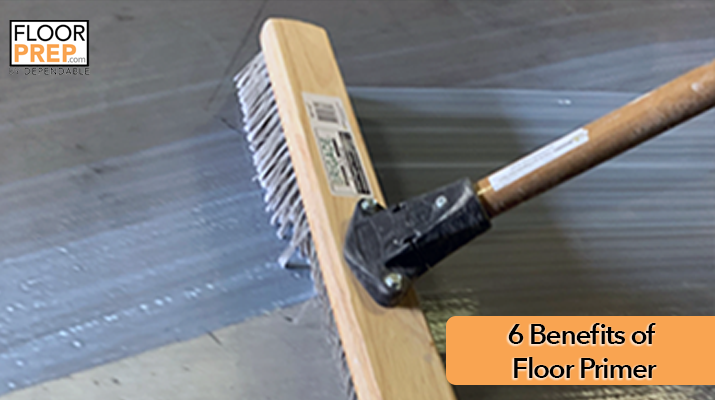
The establishment of a new floor requires a carefully examined process. Preparation of the floor using a floor primer is vital for not only saving your time and effort, but money as well. A floor primer provides a plethora of benefits for the finished floor. If you want the very best adhesion and endurance of your…
Read More